SLIDELL, LA, UNITED STATES, February 27, 2026 /EINPresswire.com/ — Commercial property owners across Southeast Louisiana are increasingly turning to strategic renovation projects as a method of strengthening asset value, improving tenant retention, and extending building life cycles. In competitive markets, modernization and structural upgrades can influence both appraisal outcomes and long-term revenue stability.
Commercial real estate performance is shaped by more than location alone. Building condition, code compliance, energy efficiency, and interior functionality all contribute to how a property is valued by tenants, investors, and financial institutions. Renovations designed with clear objectives can enhance usability while supporting higher occupancy rates and improved lease terms.
“Commercial renovations should be approached as long-term investments rather than cosmetic updates,” said Jules Albert III, owner of Jaymar Construction LLC in Slidell, Louisiana. “When improvements are planned strategically, they contribute to measurable gains in property value and operational efficiency.”
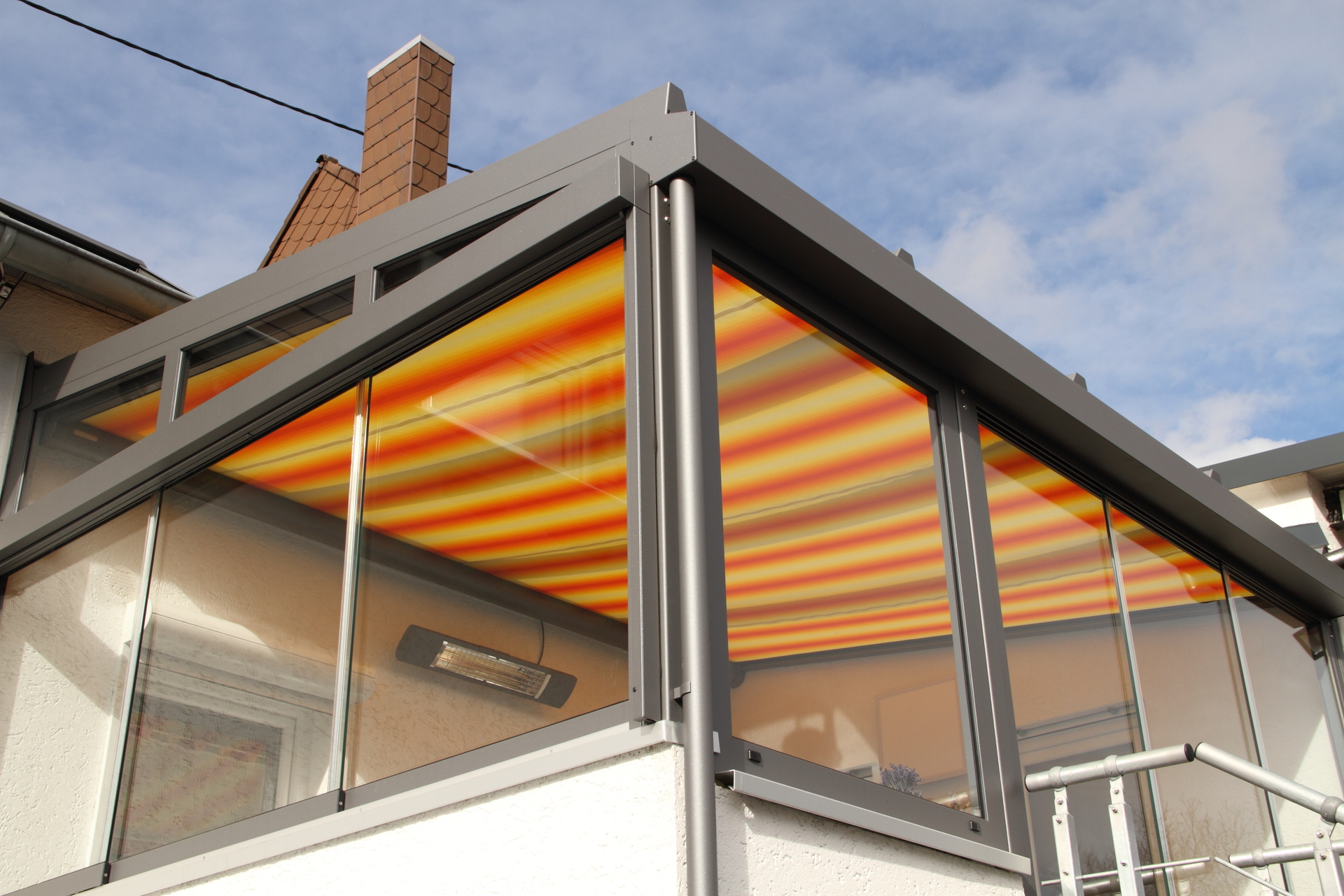
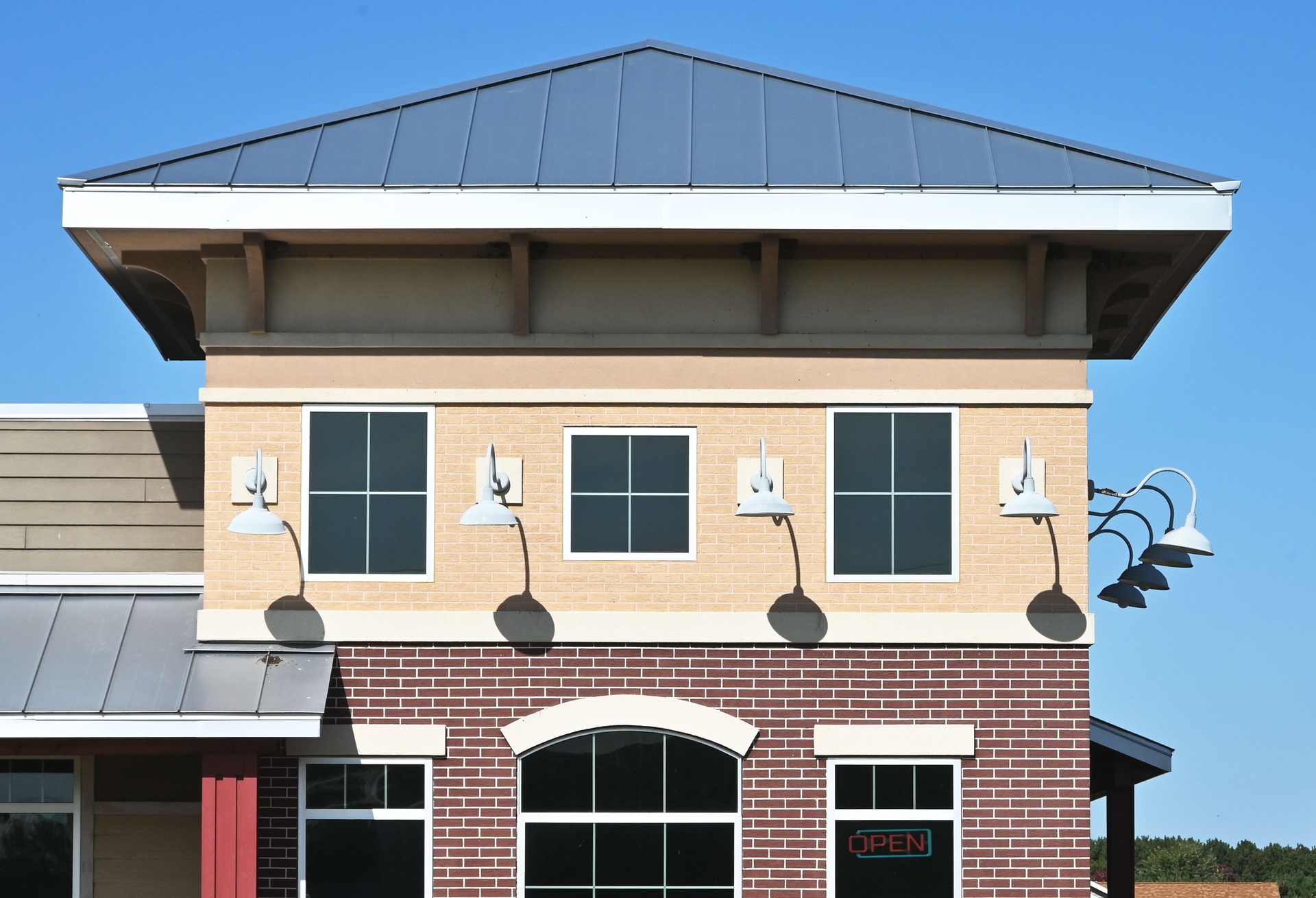
Exterior upgrades often represent the first phase of commercial renovation. Facade improvements, updated entryways, roofing enhancements, and modernized signage can significantly influence curb appeal. In retail and office environments, visual presentation plays a central role in attracting tenants and customers. Structural integrity also factors into appraisal assessments and underwriting decisions.
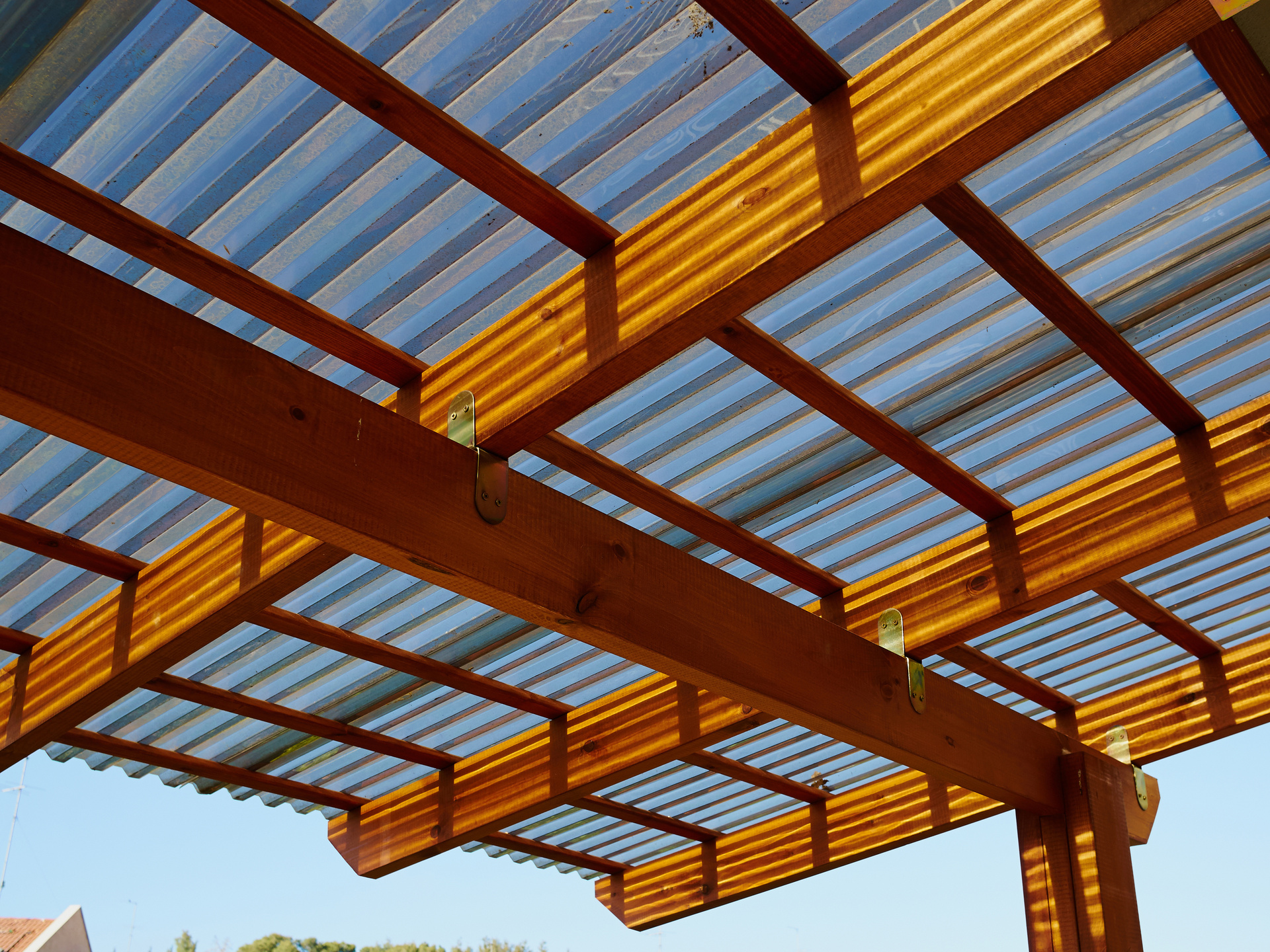
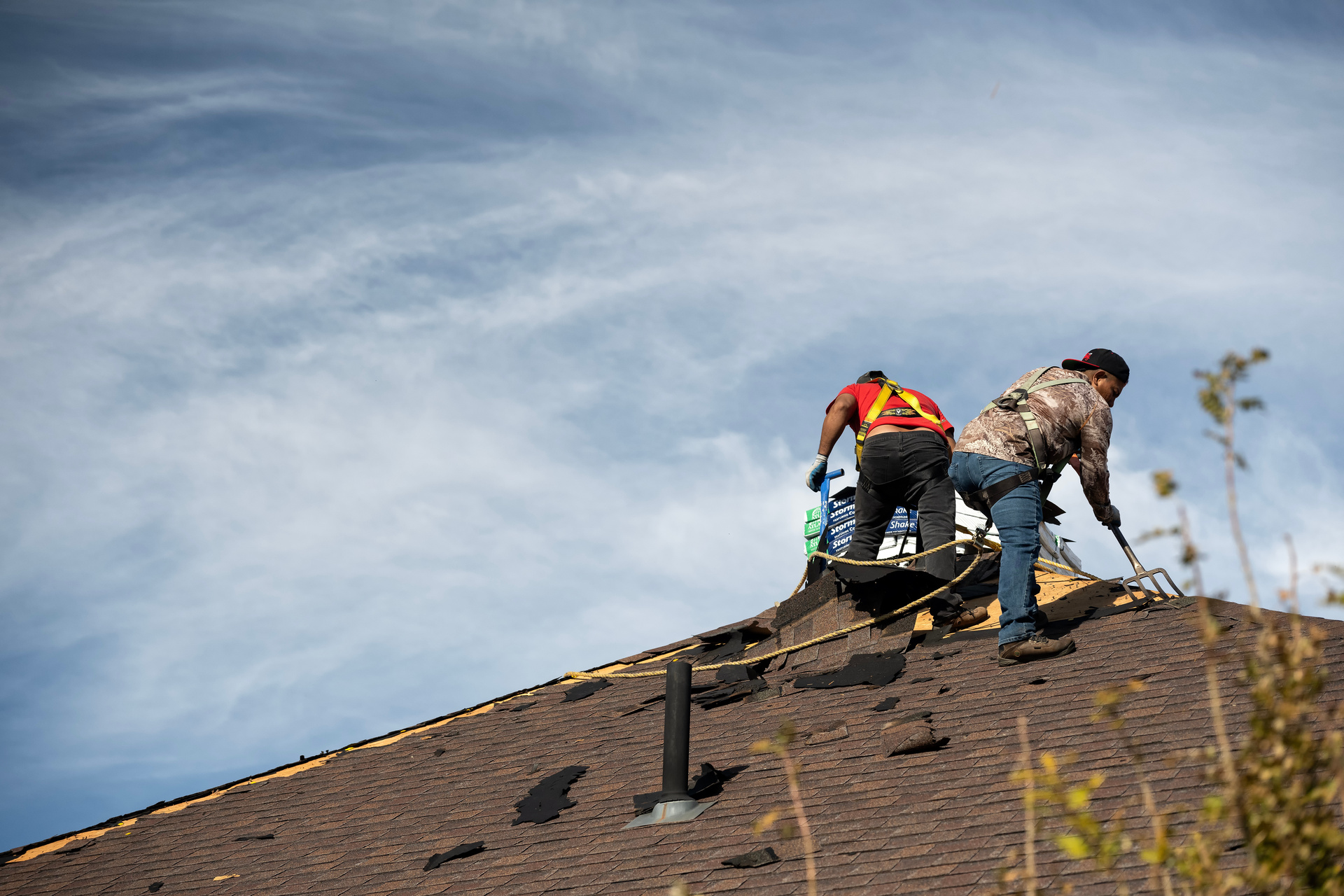
Roofing systems, in particular, carry long-term implications for property performance. Aging or damaged roofs may lead to water intrusion, interior damage, and higher insurance premiums. Replacement or reinforcement can protect underlying infrastructure while improving insurability.
Interior renovations frequently focus on functionality and adaptability. Modern commercial tenants often seek flexible layouts that accommodate collaborative workspaces, updated lighting systems, and integrated technology infrastructure. Upgrading electrical systems, installing energy-efficient lighting, and redesigning floor plans can make properties more appealing in evolving business environments.
Compliance with updated building codes and accessibility standards is another significant consideration. Renovations provide opportunities to address Americans with Disabilities Act requirements, fire safety systems, and structural reinforcements. Proactive compliance reduces liability exposure and positions properties more favorably during inspections and refinancing evaluations.
Energy efficiency improvements continue to gain traction among commercial property owners. Upgrades such as high-efficiency HVAC systems, improved insulation, and energy-efficient windows can reduce operating costs while supporting sustainability goals. Lower utility expenses may also increase net operating income, a key factor in commercial property valuation.
Tenant retention is closely tied to building condition. Outdated facilities can prompt businesses to relocate when leases expire. Renovated spaces that reflect modern standards may improve tenant satisfaction and lease renewal rates. Reduced vacancy periods contribute directly to consistent revenue streams.
Albert noted that renovation planning should align with long-term property objectives. “Clear project goals allow improvements to support both current tenant needs and future market positioning,” Albert said. “Renovations should enhance durability, functionality, and overall asset value.”
Commercial renovations also present opportunities to reconfigure underutilized space. Converting vacant areas into additional offices, retail units, or storage facilities can increase leasable square footage. Strategic reallocation of space may unlock additional revenue potential without requiring new construction.
In multi-tenant properties, common area upgrades often yield significant impact. Updated lobbies, restrooms, corridors, and exterior lighting contribute to overall tenant perception. These shared spaces influence first impressions and daily user experience.
Financing considerations play an important role in renovation planning. Property owners frequently evaluate return on investment projections, construction timelines, and potential rent adjustments. Collaboration with experienced contractors helps align project scope with budget parameters and structural feasibility.
Market analysis also informs renovation decisions. Demand for specific property types, evolving tenant expectations, and regional economic trends all influence which improvements may deliver the greatest value. In Southeast Louisiana, factors such as weather resilience and flood mitigation may shape renovation priorities.
Insurance considerations often intersect with commercial renovation planning. Updated roofing systems, reinforced structural elements, and improved drainage solutions can affect underwriting assessments. Properties that demonstrate proactive risk mitigation may experience more favorable insurance evaluations.
Construction scheduling and tenant coordination require careful management. Phased renovations can minimize disruption to ongoing operations. Clear communication and project sequencing reduce downtime and support business continuity for occupants.
Albert emphasized that structural assessment should precede cosmetic upgrades. “Addressing foundational and infrastructure components ensures that surface-level improvements are supported by durable systems,” Albert said. “Long-term performance depends on structural integrity.”
In Slidell and throughout the Gulf Coast region, commercial properties face environmental considerations unique to coastal climates. Humidity, heavy rainfall, and storm exposure influence material selection and construction methods. Renovations that incorporate resilient materials contribute to long-term durability.
Commercial property owners increasingly recognize that renovation strategies extend beyond aesthetics. When guided by defined objectives and informed analysis, improvements can elevate market positioning, support higher valuations, and enhance tenant experience.
As commercial real estate markets evolve, strategic renovations remain a practical approach to strengthening property performance. Through careful planning, compliance alignment, and infrastructure investment, property owners can position assets for sustained value in a competitive environment.
Morgan Thomas
Rhino Digital, LLC
+1 504-875-5036
email us here
Visit us on social media:
Facebook
Legal Disclaimer:
EIN Presswire provides this news content “as is” without warranty of any kind. We do not accept any responsibility or liability
for the accuracy, content, images, videos, licenses, completeness, legality, or reliability of the information contained in this
article. If you have any complaints or copyright issues related to this article, kindly contact the author above.